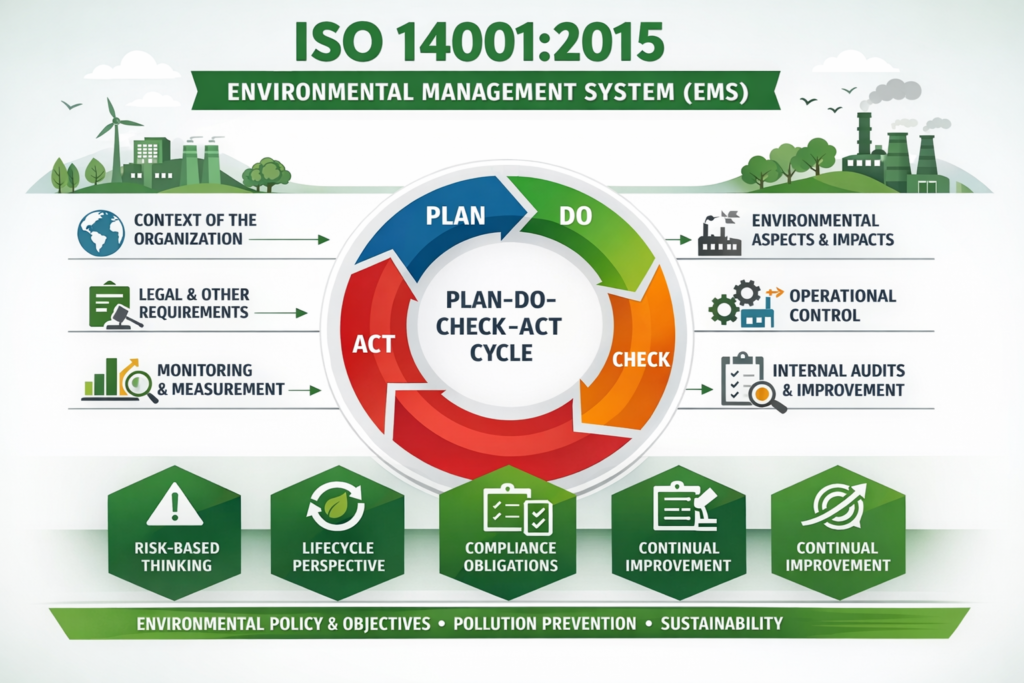
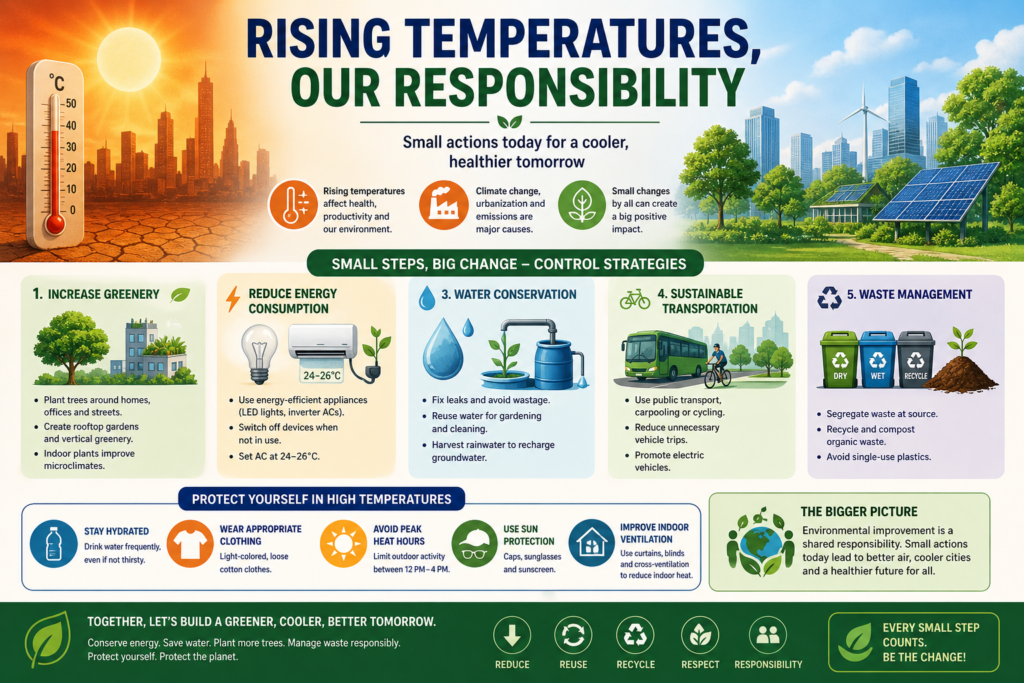
Most people have heard of civil, mechanical, or electrical engineering—but Environmental Engineering often goes unnoticed, even though it directly affects the air we breathe, the water we drink, and the quality of life we experience every day.
This is not just a “green” or awareness-based field. It is a highly technical engineering discipline that designs systems, applies scientific principles, and develops technologies to control pollution, manage resources, and protect human health.
What Exactly is Environmental Engineering?
Environmental Engineering is a multidisciplinary branch that integrates:
- Civil Engineering – for designing treatment plants, drainage systems, and infrastructure
- Chemical Engineering – for understanding reactions, pollutant transformation, and treatment processes
- Environmental Science – for ecosystem understanding and impact assessment
👉 In simple terms:
Environmental engineers design solutions to prevent and control pollution in air, water, and soil while ensuring sustainable development.
Core Areas of Environmental Engineering
1. Air Pollution Control Engineering
This involves:
- Studying emission sources (industries, vehicles)
- Modeling pollutant dispersion in the atmosphere
- Designing control systems like scrubbers, filters, and stacks
Technical aspect:
Use of dispersion models, meteorological data, and chemical kinetics.
2. Water & Wastewater Engineering
Focuses on:
- Drinking water treatment (removal of contaminants)
- Wastewater treatment (biological + chemical processes)
- Recycling and reuse systems
Technical aspect:
Designing treatment units like:
- Activated sludge systems
- Clarifiers
- Filtration units
Requires knowledge of fluid mechanics + microbiology + reaction engineering
3. Solid & Hazardous Waste Management
Includes:
- Waste segregation, recycling, and disposal
- Landfill design
- Hazardous waste treatment
Technical aspect:
Leachate control, landfill gas modeling, waste-to-energy systems.
4. Noise and Environmental Acoustics
A specialized but growing field:
- Noise prediction and mapping
- Industrial noise control (compressors, turbines, piping)
- Design of silencers, enclosures, and barriers
👉 This is a niche high-value domain, especially in oil & gas and infrastructure projects.
5. Environmental Impact Assessment (EIA)
Before any major project:
- Predict environmental impacts
- Suggest mitigation measures
- Ensure regulatory compliance
Technical aspect:
Integration of air, water, noise, and ecological models.
How Deep and Technical is This Field?
Environmental Engineering is not basic or superficial—it is deeply analytical and engineering-driven.
You work with:
- Mathematical modeling (pollution dispersion, noise propagation)
- Chemical reactions (oxidation, coagulation, biological degradation)
- Biological systems (microbial growth kinetics)
- Thermodynamics & fluid flow
- Data analysis and simulations
For example:
- Designing a wastewater plant requires solving mass balance equations
- Air pollution modeling involves complex atmospheric physics
- Noise prediction involves acoustic propagation equations
👉 It is as technical as any core engineering branch—sometimes even more interdisciplinary.
Why is Environmental Engineering So Important Today?
Modern challenges have made this field essential, not optional:
1. Climate Change
Rising temperatures, extreme weather, and global warming demand technical solutions.
2. Urbanization
Cities face:
- Air pollution
- Water scarcity
- Waste management crises
- Noise pollution
3. Industrial Growth
Industries must comply with strict environmental norms.
👉 Without environmental engineering:
- Cities become unlivable
- Industries cannot operate legally
- Public health risks increase drastically
How is Environmental Engineering Implemented in Real Life?
Design Stage (Most Critical)
- Pollution control systems are integrated into plant design
- Noise control is considered in equipment layout
- Emission limits are calculated before construction
Operational Stage
- Monitoring systems track air, water, and noise levels
- Engineers optimize systems for efficiency
Regulatory Compliance
- Ensuring adherence to environmental standards
- Conducting audits and impact assessments
👉 In industries like oil & gas, environmental engineers are involved from concept to commissioning
Benefits to Society and Industry
Environmental Engineering delivers:
- Clean air → reduced respiratory diseases
- Safe water → improved public health
- Controlled noise → better living conditions
- Waste management → cleaner cities
- Sustainable systems → long-term resource security
👉 It directly improves human life quality and environmental sustainability
Career Scope and Financial Growth
Career Roles:
- Environmental Engineer
- EHS (Environment, Health & Safety) Specialist
- Air/Noise Modeling Expert
- Sustainability Consultant
- Environmental Auditor
Industries:
- Oil & Gas
- Infrastructure & Construction
- Power plants
- Consulting firms
- Government & regulatory bodies
Salary Insights (Realistic View)
- Entry Level: ₹4–8 LPA
- Mid-Level (5–10 years): ₹10–20 LPA
- Specialized Experts: ₹20–30+ LPA
- International Opportunities: Very high demand and pay
👉 High-value skills include:
- Air dispersion modeling
- Noise modeling
- Environmental simulation
- Sustainability consulting
Is It a Good Career Choice?
Let’s be clear:
- It may not give instant high salaries like IT
- But it offers:
- Strong technical growth
- Global demand
- Long-term stability
- High earning potential with specialization
👉 If you build expertise, especially in niche areas (like noise, air modeling), you can reach top-tier technical roles globally